
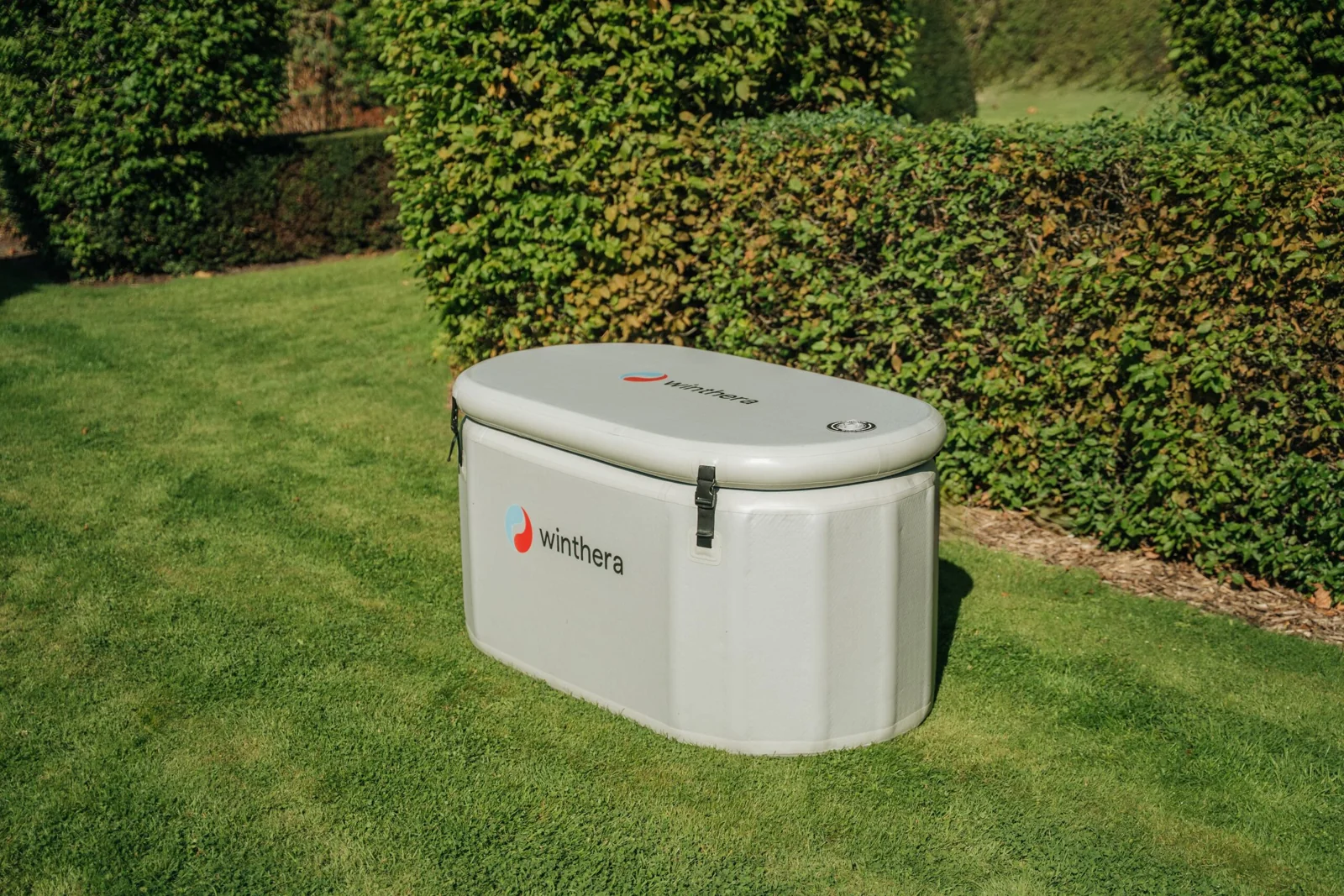
Ice bath and plunge pool care
Hygiene and care for your cold water pool
Compiled by our master gardeners · Last updated: July 2026
To print and file away – free to download.
An ice bath or plunge pool in the garden is quickly put to use – a short dip, a big effect. To keep this cold pleasure hygienic in the long term, the pool needs regular but manageable care. How much is needed depends greatly on the equipment: a simple pool without technology relies on water changes, while a pool with filter and UV technology relies on their maintenance.
Water changes and hygiene
Cold water slows the growth of germs and algae, but does not prevent it. For pools without filtration: change the water completely at regular intervals and clean the pool at the same time. How often depends on how frequently it is used, how many people use it and the water temperature – much more often in summer than in cold weather. Cloudiness, a film on the walls or a smell always mean the change is overdue. Showering briefly before you get in and covering the pool between uses both noticeably extend the life of the water and keep leaves and insects out.
Filter and UV technology
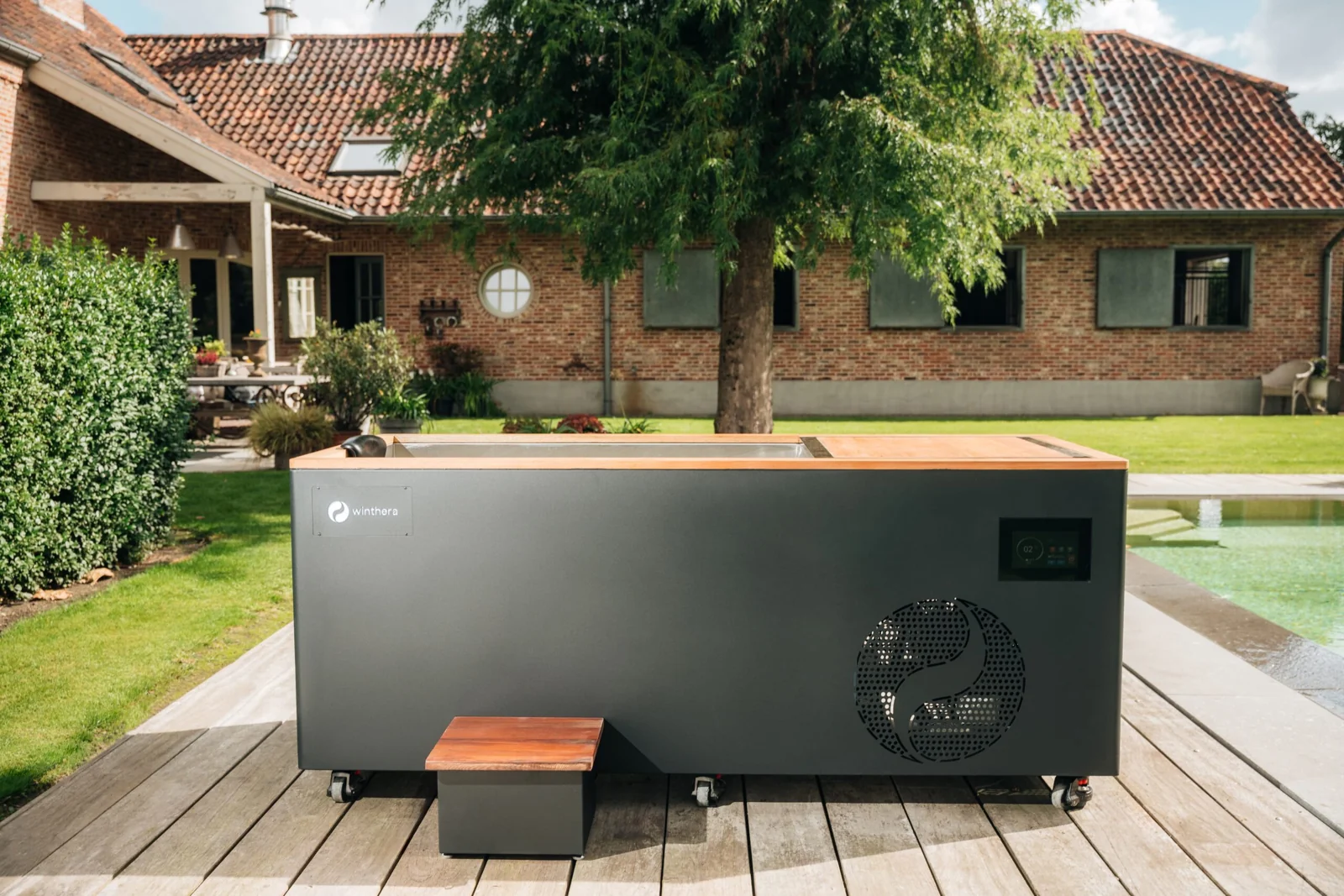
Pools with a circulation pump, filter and UV lamp keep the water fresh much longer – provided the equipment is looked after. Clean or replace filter cartridges or media according to the manufacturer's instructions; UV lamps lose effectiveness with operating time and must be replaced at the intervals specified by the manufacturer, even if they still light up. Clear the pump pre-filter of hair and debris regularly. For water treatment products, running times and maintenance intervals, the equipment manufacturer's instructions always take precedence – they vary considerably from model to model.
Cleaning the pool: stainless steel and timber
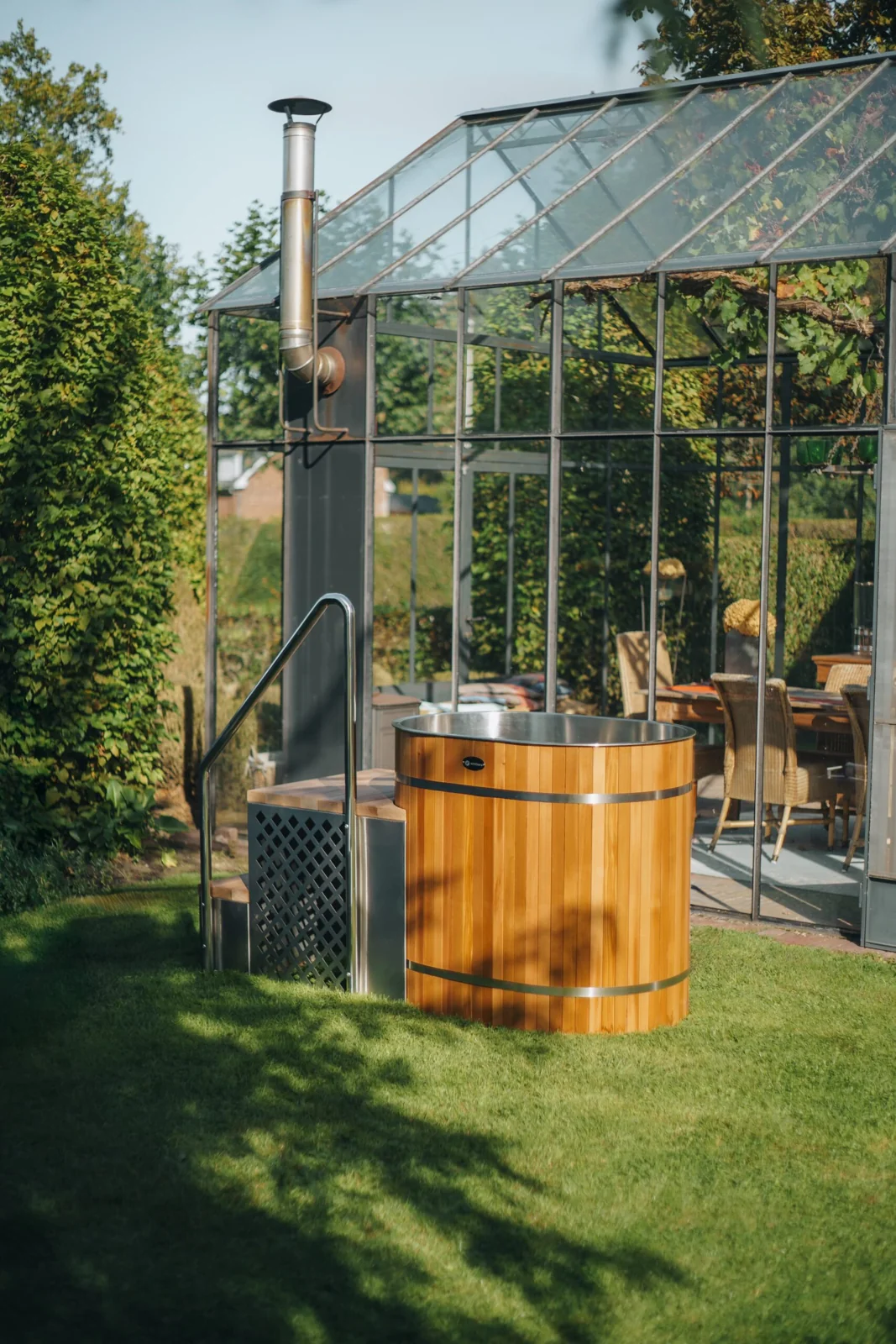
Clean stainless steel pools with a soft sponge or cloth and a mild, low-chloride cleaner – no steel wool, no abrasives, no chlorine-based cleaning products, as they can attack the protective surface and encourage surface rust. Limescale marks can be removed with cleaners suitable for stainless steel. Clean timber cladding and wooden tubs with water and a brush only; timber reacts to moisture – letting a wooden tub dry out completely for a longer period can cause leaks, so follow the manufacturer's guidance.
Winter use
Winter is when the ice bath really comes into its own – but there are a few points to bear in mind:
- Keep the inlet, fittings and exposed pipework frost-proof or drain them.
- Whether the pump, filter and cooling unit may keep running in winter or must be removed is set out in the manufacturer's instructions – residual water in the equipment is the most common cause of frost damage.
- An insulating cover keeps dirt out and prevents the water from freezing solid.
- Keep access and steps free of ice and non-slip – wet feet on frozen paving are the biggest accident risk around a winter bath.
Seasonal care at a glance
In spring and autumn, a thorough full clean is worthwhile: empty the pool, clean the walls and floor, check seals and screw connections, and service the equipment. If you are not going to use the pool for a longer period, it is best to empty it completely, clean it and cover it – that way the next season starts without surprises.
Answers about ice baths and plunge pools
How often do I need to change the water in my ice bath?
Can I use the ice bath all winter long?
Do I need chlorine or other water treatment products?
How do I care for the stainless steel surface properly?
How do you keep an ice bath clean?
Let's talk about your project
We are happy to advise you in person, with no obligation.
Request a consultation