
Compiled by our master gardeners · Last updated: July 2026
To print and file away – free to download.
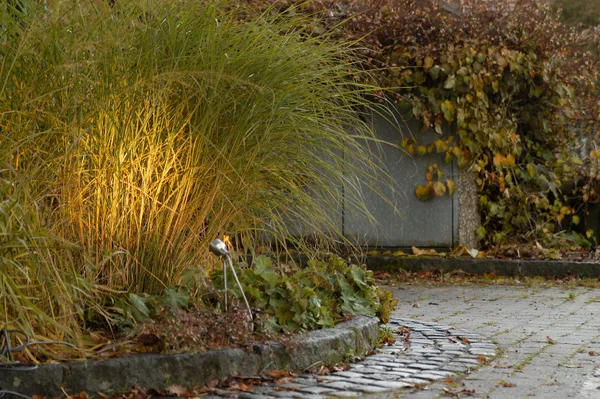
Grasses are the green frame for colourful perennial beds. Especially in the second half of the year, these easy-care companions take centre stage – often with spectacular autumn colour and decorative flowers. Covered in hoar frost or snow, deciduous species such as Chinese silver grass, reed grass and fountain grass are among the most beautiful winter highlights in the garden.
Leave them standing over winter
The old stems are not just decorative – they protect the heart of the plant from hard frosts. In heavy snow, the stems can be tied together; this also stops old flower heads and leaves, for example on Chinese silver grass, from being scattered around the garden by the wind. Newer varieties, however, have been bred to stand quite upright and stable.
Cutting back in spring
Deciduous grasses are cut back to ground level between February and April, before new growth starts. This prevents too much moisture from getting into the plant and causing rot; after cutting back, the grass can sprout freely. With evergreen grasses such as giant sedge or blue oat grass, you only cut out frost damage in spring. If grasses self-seed aggressively, cut the seed heads off before the seeds ripen.
Do grasses need feeding?
Only in moderation. When newly planted, ornamental grasses should receive a base feed – organic fertilisers such as horn shavings are particularly good as a starter, as they release their nutrients slowly and evenly. After the spring cut, a single slow-release fertiliser (mineral or organic) can be applied. Too much fertiliser, however, quickly leads to lush, soft growth, which makes grasses more prone to fungal diseases and pests.
Do grasses need a lot of water?
No – most ornamental grasses need little water if they are in the right place. Water needs can be derived from the grass's original habitat: prairie grasses such as switch grass and blue fescue prefer dry conditions, while pond-edge plants such as some sedges and tufted hair grass like a damp spot. Choosing the right place when planting saves a lot of watering later.
Answers about grasses
When should you cut back ornamental grasses?
Why shouldn't you cut grasses back in autumn?
Do I need to feed ornamental grasses?
How much water do grasses need?
What can I do if grasses self-seed too much in the bed?
When should you plant grasses?
How often do grasses need watering?
Let's talk about your project
We are happy to advise you in person, with no obligation.
Request a consultation